Designing an interior isn't just about choosing nice furniture, colours and materials.
It's about creating the space where your everyday life will happen - where you'll wake up, cook, rest, spend time with family and feel completely at home.
Choosing the right interior designer is one of the most important decisions in that process.
Whether you're furnishing an apartment in Podgorica, renovating a stone house in Boka Bay or completing a coastal villa, the right designer can make the difference between a stressful project and an enjoyable one - and between an interior that simply looks good and one that genuinely makes your life better.
Here are 10 absolutely crucial things to check before deciding which interior designer to work with:
1. Style fit
Let's start with the obvious - you have to like their aesthetic.
Browse their portfolio and ask yourself whether you would actually want to live in the spaces they create?
It's also important that the designer is honest about the styles they naturally connect with and those they don't.
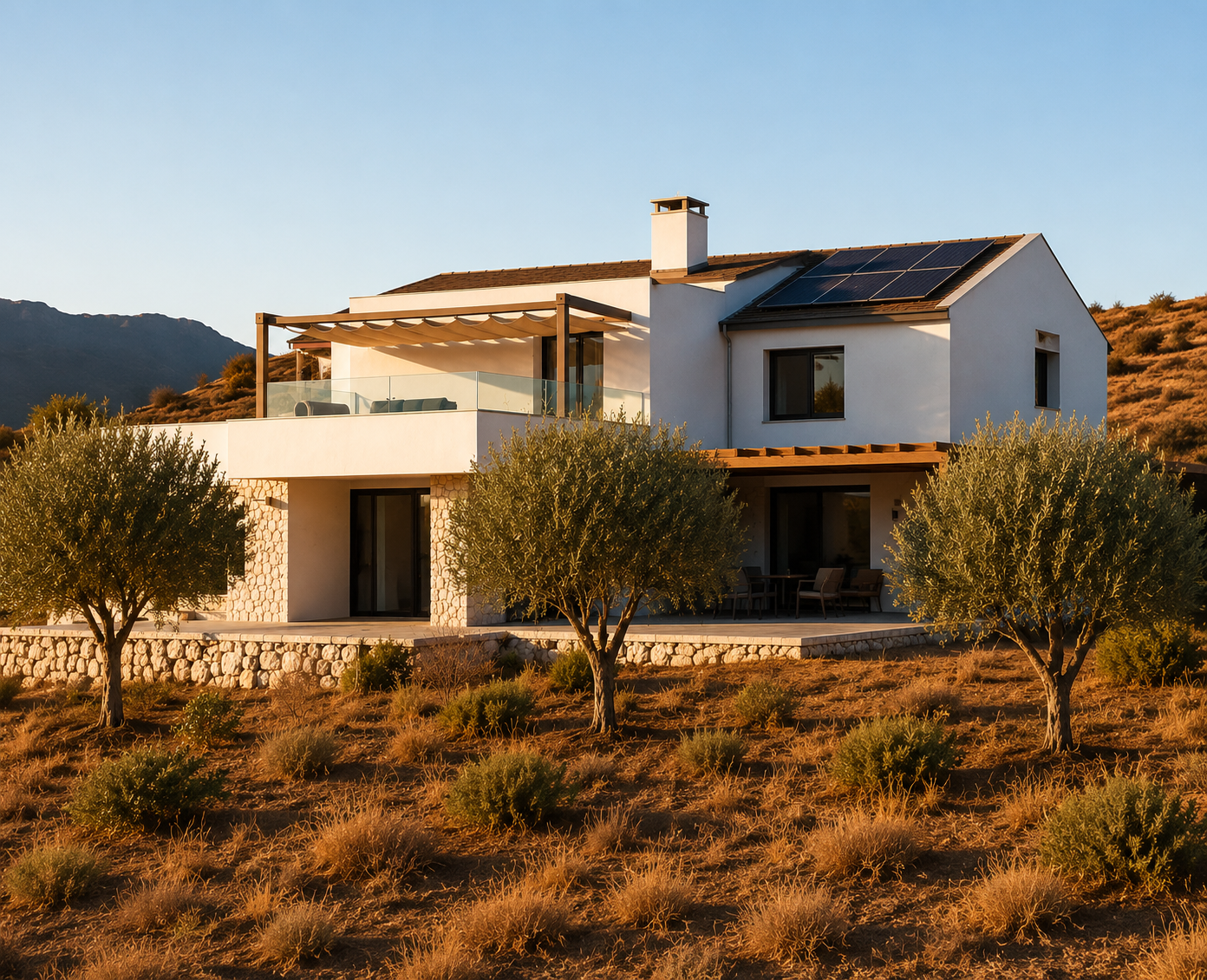
For example, I work best with clients who are drawn to Mediterranean, Scandinavian and Portuguese-inspired interiors. These styles share many of the qualities I personally value: natural materials, simplicity, warmth, calm colours and spaces that feel elegant without being overly decorated.
On the other hand, I don't work with more Oriental aesthetics, such as Turkish-inspired interiors. There is nothing wrong with that style - it simply isn't my design language, and I wouldn't be the right designer for a client who wants that kind of home.
Being clear about this from the beginning is helpful for both sides. It attracts clients who naturally share my sense of design and prevents the collaboration from feeling forced later.
No interior designer is the right fit for every client, and that's completely fine.
You don't need to want an exact copy of one of their previous projects, but you should feel that you share a similar idea of what makes a space beautiful and comfortable.
2. They want to know how you live
A good interior designer will ask what you like. A great one will also ask how you live.
They should want to know how you begin your morning, whether you cook every day, where you work, how often you have guests, what you need to store and which parts of your current home frustrate you.
These questions may feel very detailed, but they are what turn a generic interior into your home.
A good designer doesn't design around an imaginary perfect lifestyle. They design around your actual life - including children, pets, hobbies, clutter, routines and all the small everyday habits that rarely appear in beautiful photographs.
If they are genuinely curious about how you live before suggesting how your home should look, you're definitely on the right track.
3. They understand space planning, not just decoration
A beautiful interior means very little if it is uncomfortable to use.
Your designer should think about how you move through the space, where furniture is placed, how doors and drawers open, whether there is enough storage and how different rooms connect to one another.
Can two people move comfortably through the kitchen? Is there enough room to pull out a dining chair? Can you reach the wardrobe without blocking the bedroom passage? Are sockets positioned where you'll actually need them?
These may sound like small details during the design process, but you'll experience them every single day.
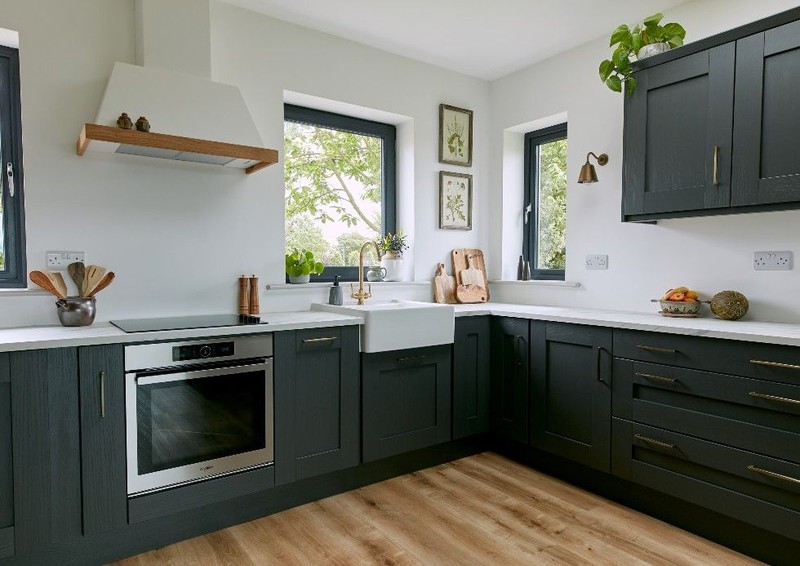
A good example is kitchen design, where even a beautiful space can become frustrating if the layout, storage and movement haven't been carefully considered.
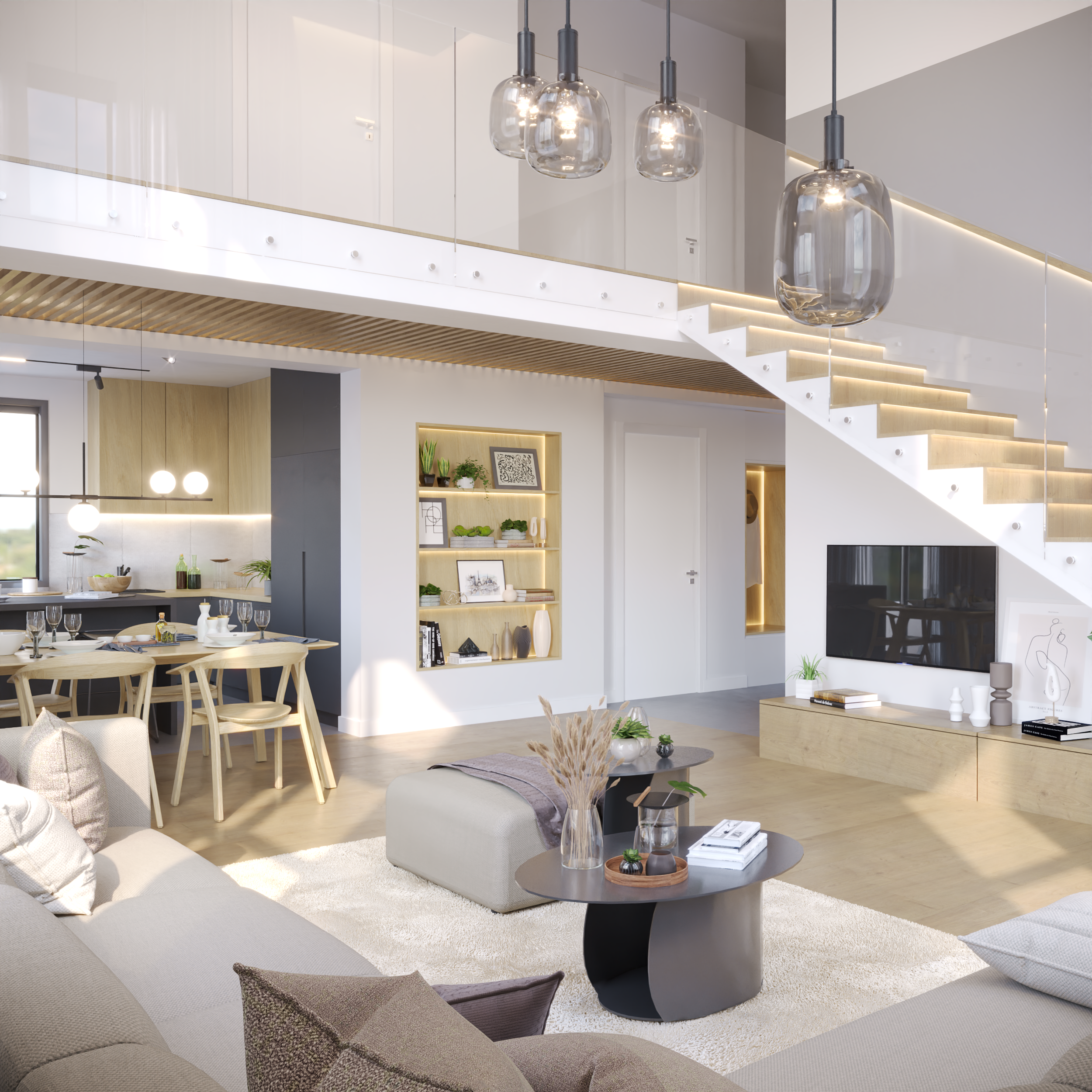
If an interior only works in renderings, it's decoration - not good interior design.
4. They have a distinct design touch, but every project feels unique
A great interior designer should have a recognisable design line, but that doesn't mean all their interiors should look the same.
Look carefully through their portfolio.
Do you see homes that respond to different clients, buildings and locations? Or does every project contain the same sofa, pendant lights, colours, materials and decorative objects?
When every interior looks like it has been copied from the same Pinterest board, that's a red flag.
Pinterest can be useful for inspiration, but your home shouldn't feel like a collection of fashionable images assembled without any deeper connection to you.
Your interior should respond to its architecture, natural light, surroundings and, most importantly, your personality and way of living.
Ask the designer directly:
“How will you make my interior feel like me, rather than like your previous client?”
A good designer should be able to explain how they combine their own design sensibility with your individual needs and preferences.
A recognisable design touch is wonderful. Repeating the same interior for every client is not.
5. They understand lighting, colour and materials
Choosing materials from small samples is not enough.
A wall colour can look completely different in the morning and evening. Stone that feels warm in natural light may appear cold under the wrong artificial lighting. Highly reflective materials can become uncomfortable in Montenegro's strong coastal sun.
A good interior designer understands how colour, texture and light work together throughout the day.
They should also think about how materials behave in real life.
Will the floor withstand children, pets, sand or moisture? Will the fabric fade in direct sunlight? Is the worktop suitable for a kitchen that is used every day? Will the finish still look good five years from now?
Beautiful materials are important, but they also need to be appropriate for your home and your lifestyle.
The best interiors don't only look good on the day they're photographed. They age beautifully too.
6. They can translate ideas into detailed drawings
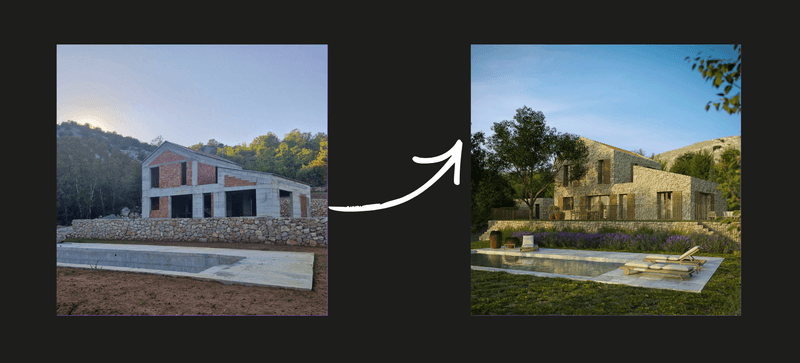
Mood boards and beautiful renderings are helpful, but they aren't enough to build an interior.
The carpenter, electrician, plumber, lighting supplier and contractor all need clear and precise information. Otherwise, important decisions are left to interpretation on site - and that's usually where expensive mistakes begin.
Ask what is included in the designer's package.
Depending on the project, you may need furniture layouts, lighting and electrical plans, bathroom layouts, ceiling details, flooring plans, material specifications and detailed drawings for custom kitchens, wardrobes and other built-in furniture.
A small mistake in a technical drawing can become a very expensive mistake once production begins.
A good interior designer needs to be both creative and technically precise. In other words, a truly great architect is both an artist and an engineer.
They should be able to show you the overall atmosphere while also thinking through every socket, joint, dimension and material transition.
7. They're realistic about your budget
A responsible interior designer discusses the budget at the beginning - not after the entire interior has already been designed.
They should help you understand where it's worth investing and where a simpler solution will work perfectly well.
Kitchens, flooring, lighting, bathrooms, built-in storage and frequently used furniture often deserve more of the budget. Decorative pieces can usually be added gradually.
Be careful if a designer avoids talking about costs or creates a concept without considering whether the proposed products and materials are realistic for you.
A good designer should help you answer questions such as:
-
What is essential?
-
What should be custom-made?
-
Where is durability worth paying for?
-
Where can we choose something more affordable?
Good budget management doesn't mean choosing the cheapest option. It means knowing where your money will make the biggest difference and avoiding unnecessary mistakes.
8. They specify furniture you can actually purchase
Unfortunately, many interior designers place random furniture they have found on Pinterest into their concepts without checking whether those exact pieces can actually be purchased in Montenegro or delivered here.
The rendering may look beautiful, but when the client tries to buy everything, they discover that the furniture is unavailable, cannot be delivered or costs far more than expected.
They are then told to “find something similar.”
But something similar is rarely truly similar.
A different sofa may have the wrong proportions. A substitute dining chair may change the feeling of the entire room. A lamp with a slightly different size, material or light quality can affect both the atmosphere and the balance of the space.
After several replacements, the finished interior may look very different from the design the client originally approved and paid for.
A great interior designer should therefore provide a tangible shopping list containing all the movable pieces of furniture, lighting and decoration included in the design.
That list should identify the exact products, dimensions, finishes, suppliers and prices wherever possible. Most importantly, the designer should confirm that the specified pieces can be purchased locally or reliably delivered to Montenegro.
This turns a beautiful concept into a realistic and purchasable interior.
A designer may still combine local suppliers with imported furniture, regional brands and custom-made elements. The important thing is that every item has been selected with actual availability in mind - not simply copied from an image online.
Good sourcing is part of good interior design. You shouldn't be left alone after receiving the renderings, trying to recreate the proposed interior with vaguely similar products.
9. They have international experience
Interior design is deeply influenced by culture, travel and different ways of living.
A designer who has studied, lived or worked abroad often brings a broader understanding of materials, craftsmanship, sustainability and contemporary living.
This can be especially helpful for international clients designing a home in Montenegro. A designer with international experience may better understand their expectations while also knowing how to adapt those expectations to the local climate, suppliers and construction practices.
But international experience shouldn't result in an interior that could be anywhere.
The best designers know how to bring together wider influences and local character - perhaps through natural stone, Mediterranean light, tactile materials or a relaxed connection between indoor and outdoor spaces. You can see how differently designers have approached this balance in these examples of interior design in Montenegro.
The result should feel global in quality but completely at home in Montenegro.
10. They're organised and easy to communicate with
Interior projects involve hundreds of decisions and can easily become chaotic. An organised designer turns that chaos into a clear and manageable process.
Pay attention to the small details from the beginning.
How quickly do they respond? Do they explain their process clearly? Is their offer precise? Do you understand what is included, what isn't included and what will happen next?
Pay attention to the chemistry between you.
Even the most talented designer can be difficult to work with if communication doesn't flow naturally. You should feel comfortable sharing your preferences, asking questions and saying when something doesn't feel right.
A good designer will explain their ideas clearly, listen to your input and guide you without making you feel that your own opinion doesn't matter.
11. Make sure you know who will actually design your interior
You should also know exactly who created the projects in the portfolio you're being shown - and who will actually be designing your interior.
In larger studios, the person presenting the portfolio may not be the author of that work. Once the contract is signed, your project may be passed to a junior designer or intern you've never met.
Ask directly whether the person whose work convinced you to choose the studio will work with you one-to-one, prepare the design and drawings, attend meetings and follow the project through implementation.
You are choosing a designer based on their ideas, experience and design sensibility, so make sure that is the person who will actually be responsible for your home.
If you're planning a new interior or renovating your home in Montenegro, get in touch and let's see whether we're the right fit for each other. :)