In Montenegro, every stone seems to carry a memory. From the monasteries carved into cliffs to the concrete masterpieces of the 20th century, architecture in Montenegro blends centuries of influence: Byzantine spirituality, Venetian precision, and the bold geometry of Yugoslav modernism.
What makes Montenegro architecture remarkable isn't its scale but its contrast. Within just a few hours' drive, you can read an entire architectural history - from medieval churches that whisper faith and endurance, to sculptural modernist forms that speak of progress and identity. This small country holds one of Europe's most diverse architectural stories, where each era has left a visible, enduring mark on the landscape.
I. Sacred Beginnings and Vernacular Continuity (11th-17th century)
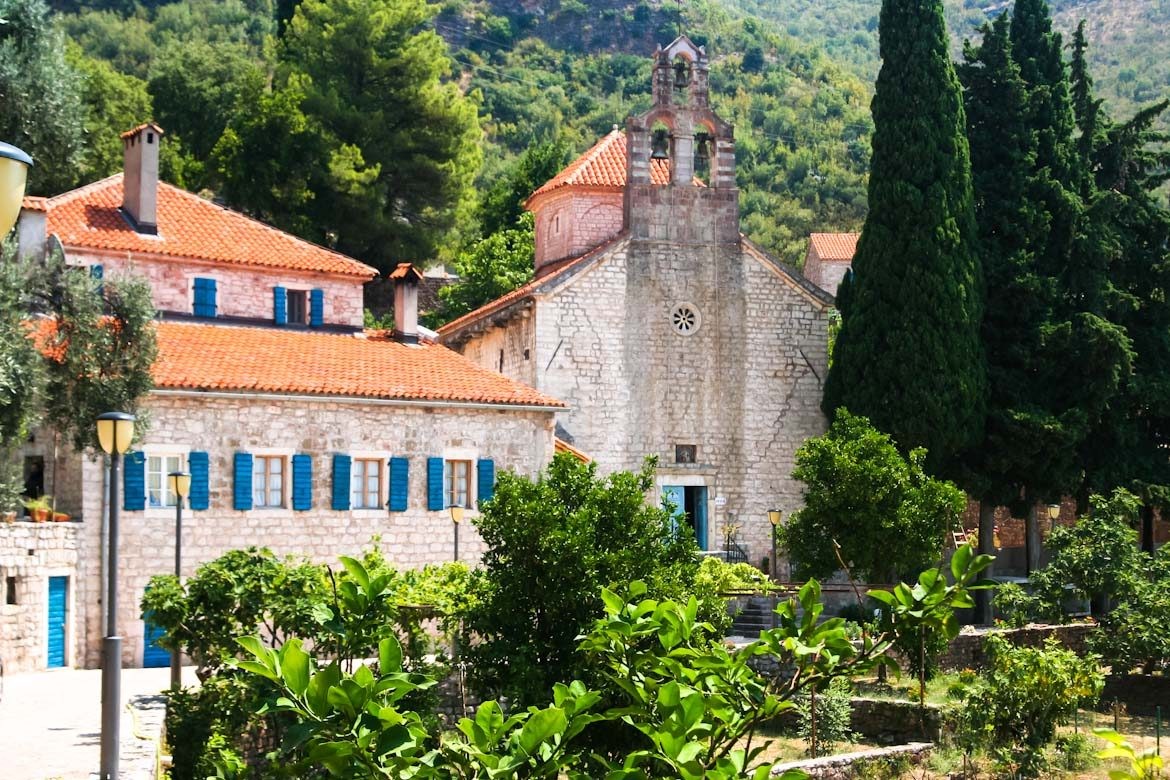
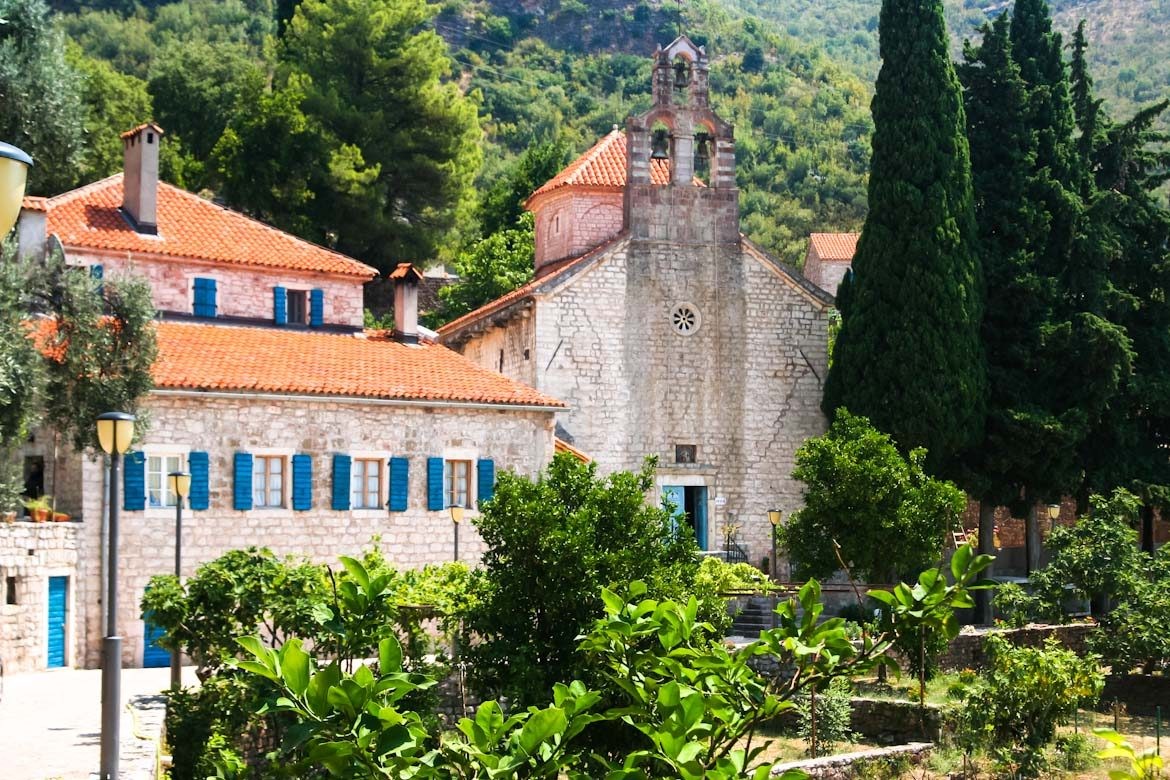
1. Praskvica Monastery (1050)
Coastal monastic complex blending Byzantine plan and Mediterranean stone craft; known for its timeless serenity.
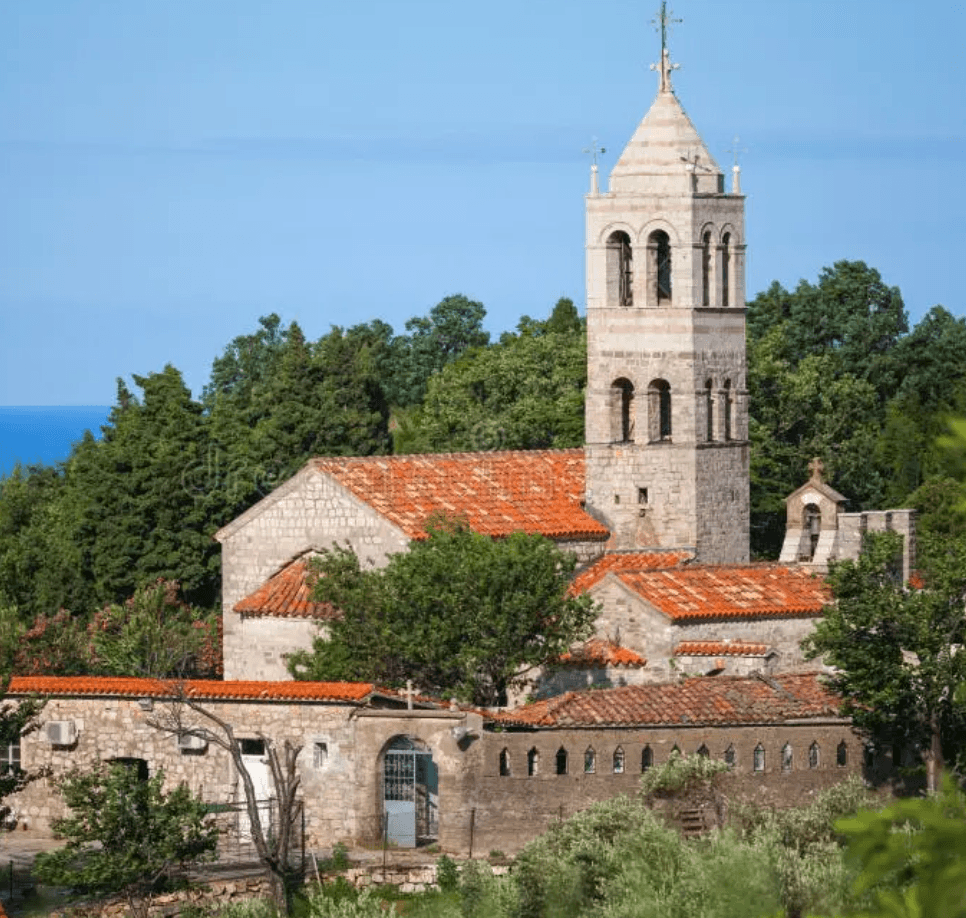
2. Reževići Monastery (1223)
Perched above the Adriatic, this serene stone complex perfectly merges with the landscape, showing the timeless harmony between sacred architecture and the Mediterranean setting.
II. Venetian Legacy on the Adriatic (15th-18th century)
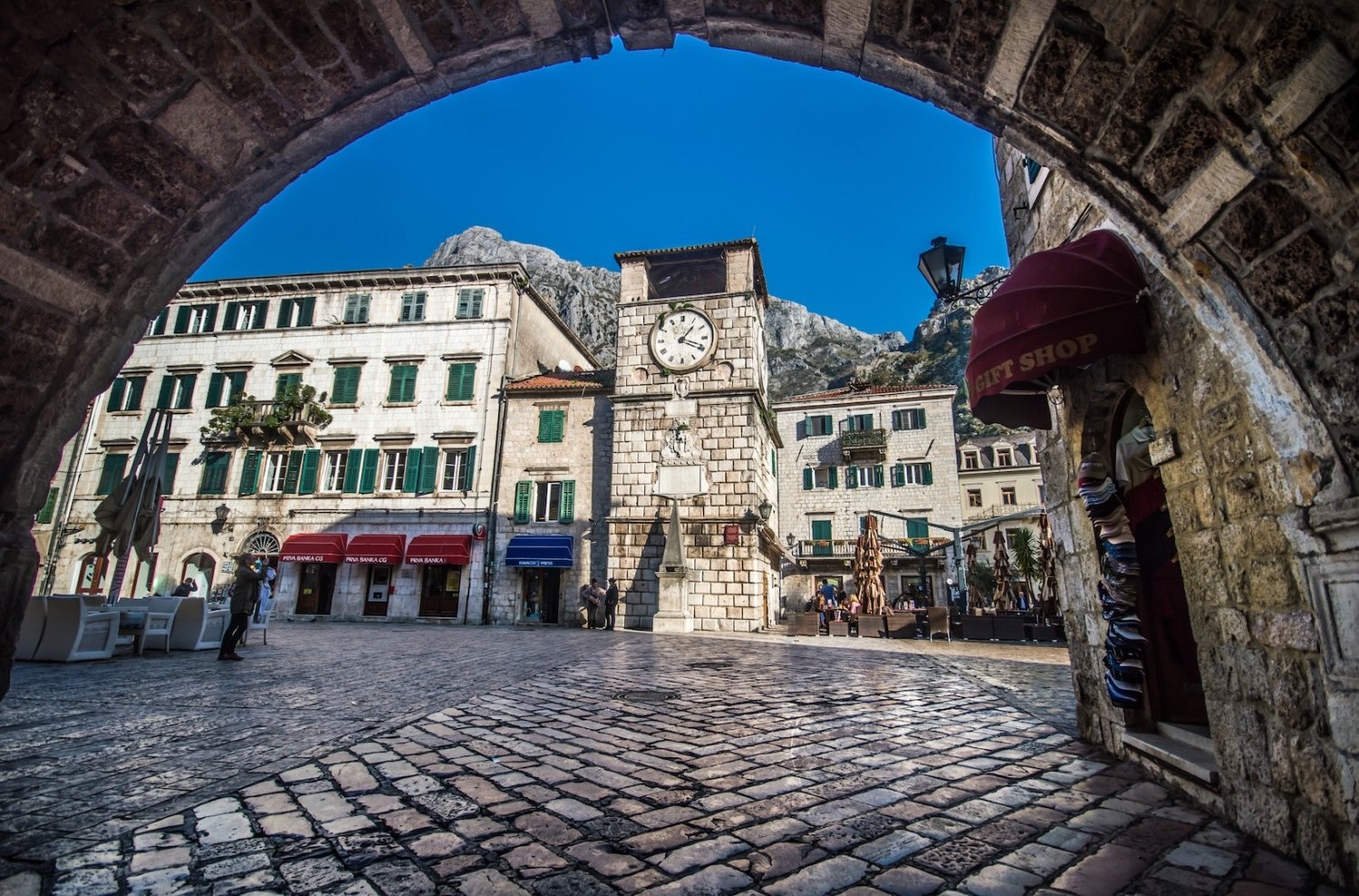
3. Kotor Old Town (1667) - UNESCO protected
Urban organism of stone, light, and proportion; a living lesson in density and human scale.
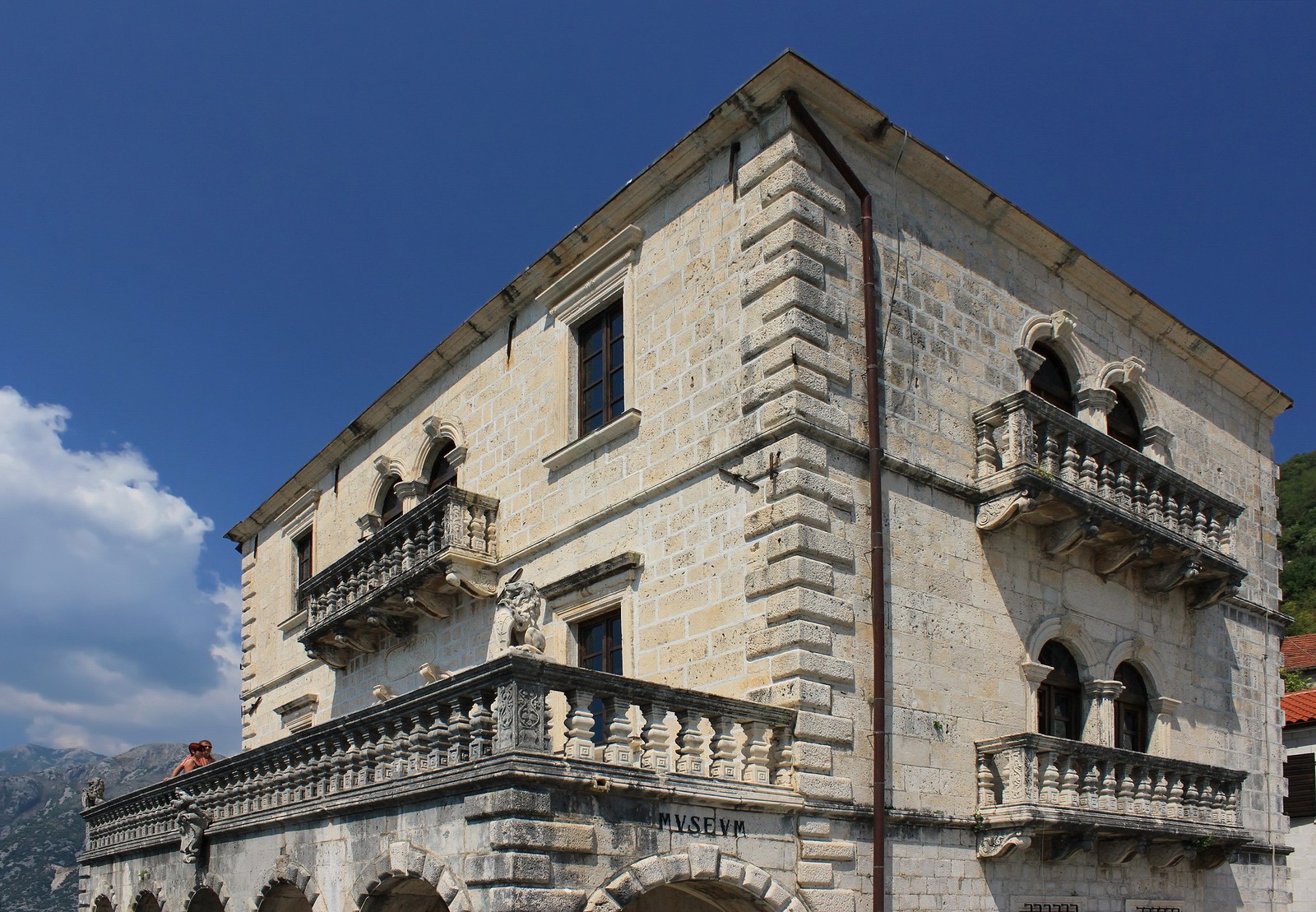
4. Palaces of Perast (Bujović Palace as exemplar - 1694)
Venetian Baroque civic architecture adapted to steep topography; dignity through geometry and rhythm.
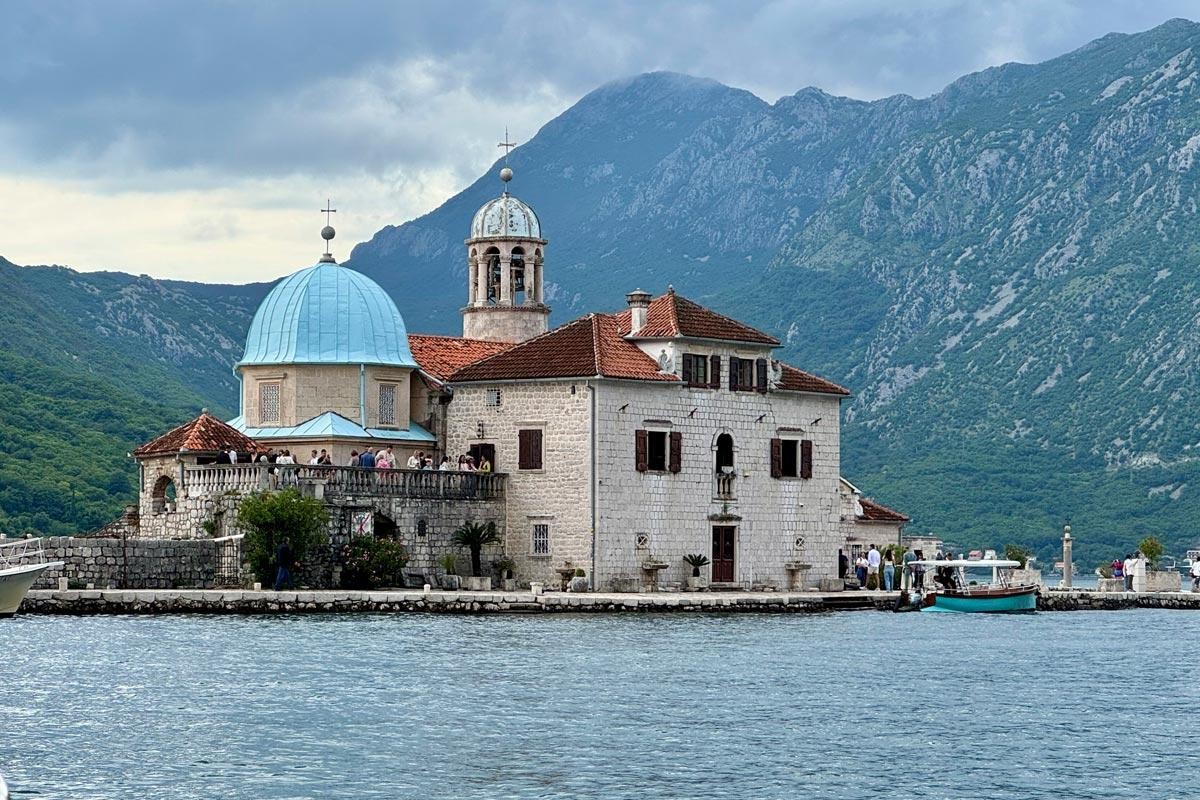
5. Our Lady of the Rocks (Gospa od Škrpjela, 1630)
Built on an artificial island created stone by stone by local seamen, this Baroque church near Perast embodies the union of faith, craftsmanship, and the Adriatic landscape - a floating masterpiece of Venetian influence and Montenegrin devotion.
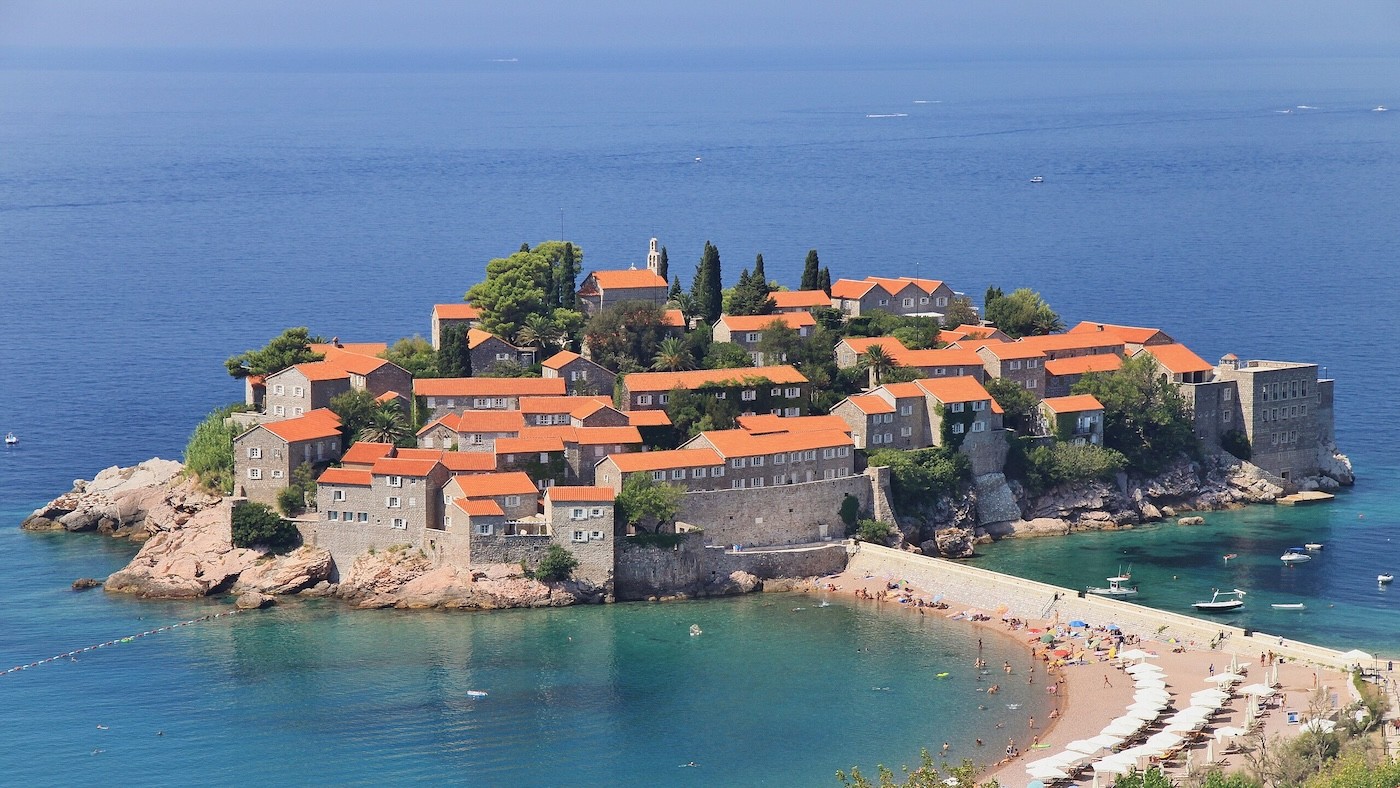
6. Sveti Stefan Island Village (15th–19th centuries)
Fortified by the Paštrovići local tribe in the 15th century to protect the coast, the island soon grew into a small mercantile hub under Venetian influence. By the 19th century, it had transformed into a quiet fishing village of about 400 residents, its stone houses forming one of the most harmonious coastal ensembles on the Adriatic.
III. The Royal and Interwar Period (1910–1945)
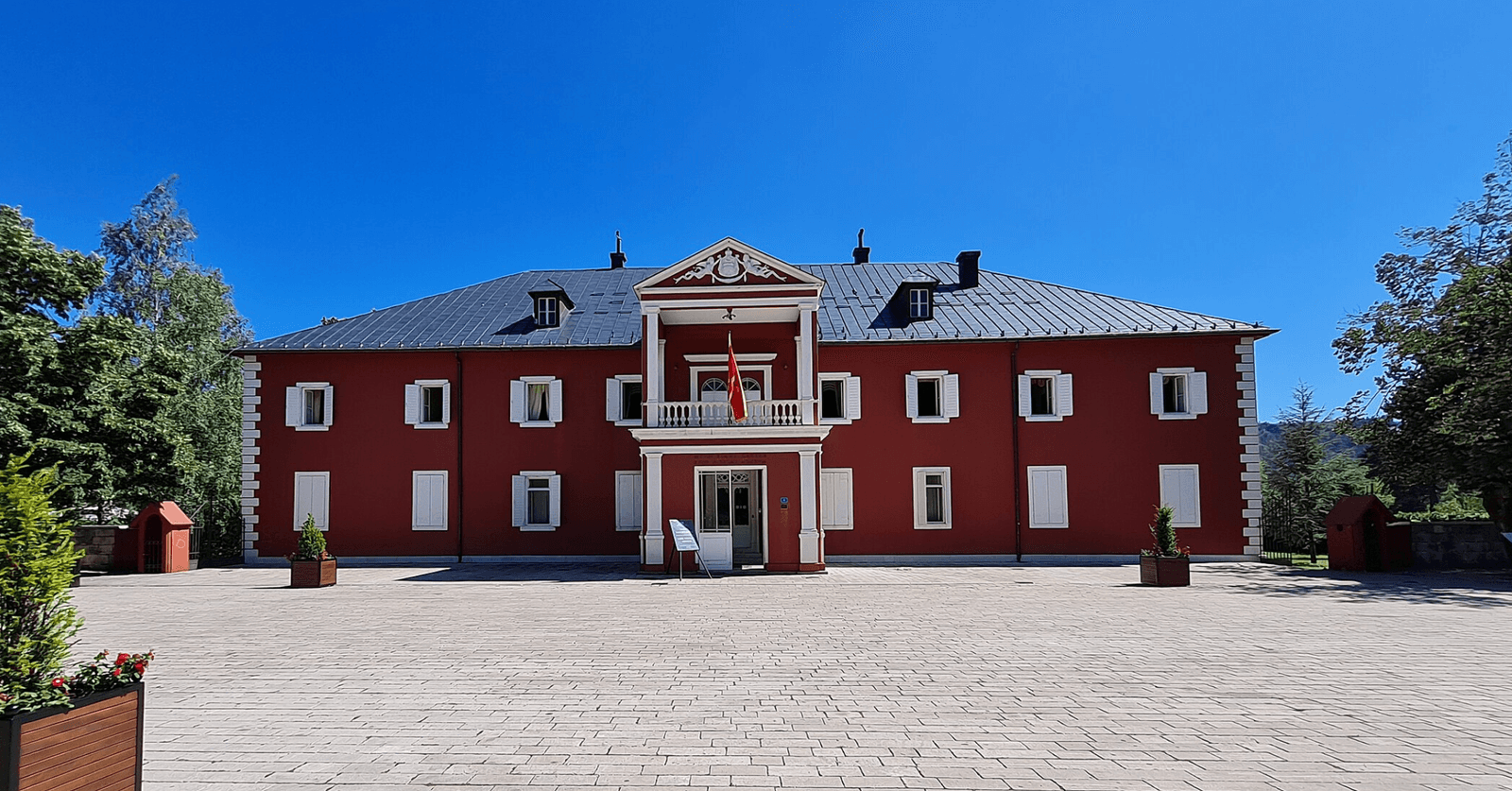
7. King Nikola's Palace, Cetinje (1867)
Eclectic but dignified, it represents the transitional language of a newly independent state blending Balkan tradition with European refinement.
IV. Yugoslav Modernism and the Brutalist Golden Age (1950s–1980s)
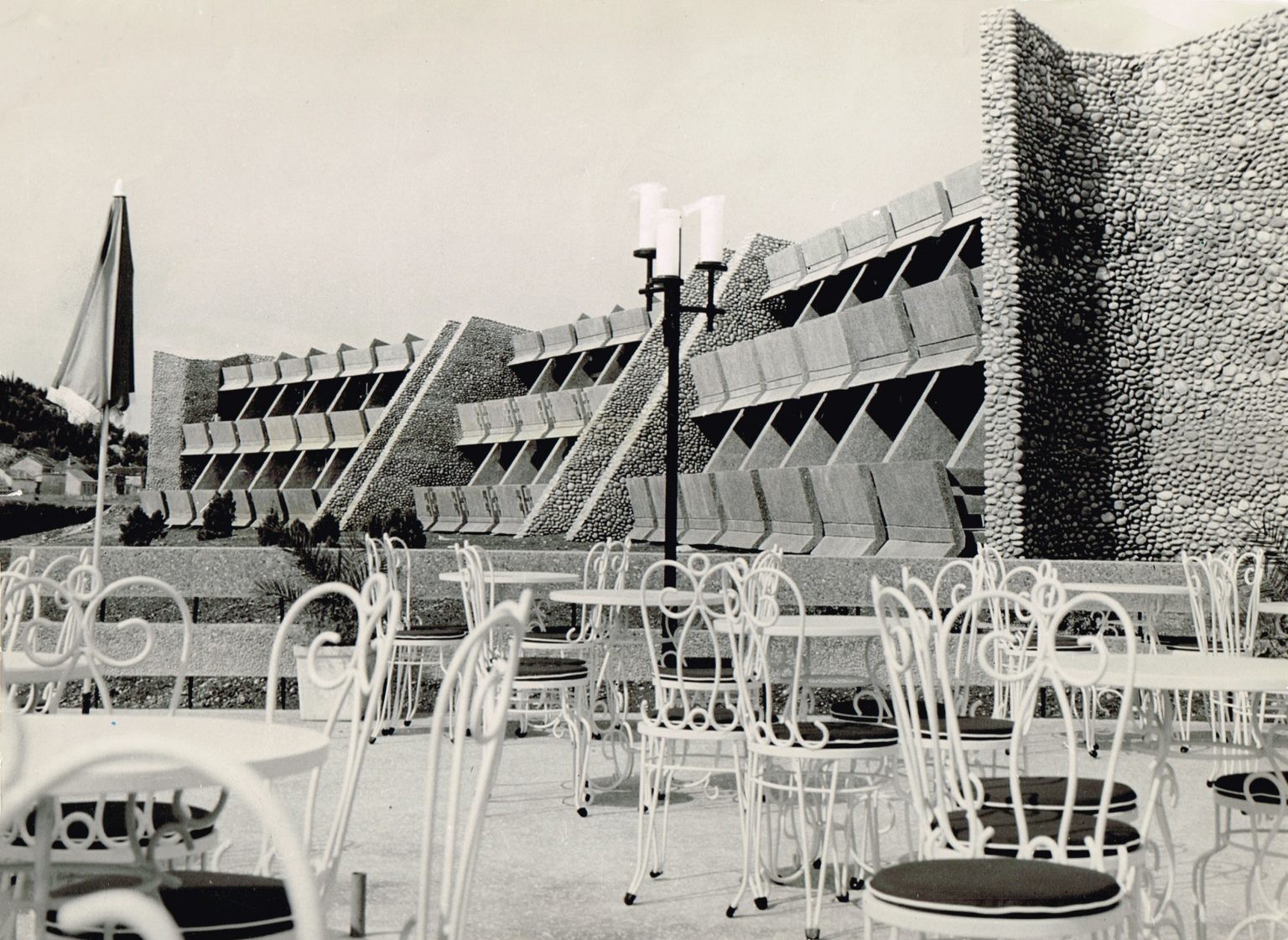
8. Hotel Podgorica, Svetlana Kana Radević (1967)
An organic brutalist masterpiece where concrete seems carved by the river itself - Montenegro's most celebrated modern building. More info about this masterpiece can be found here..
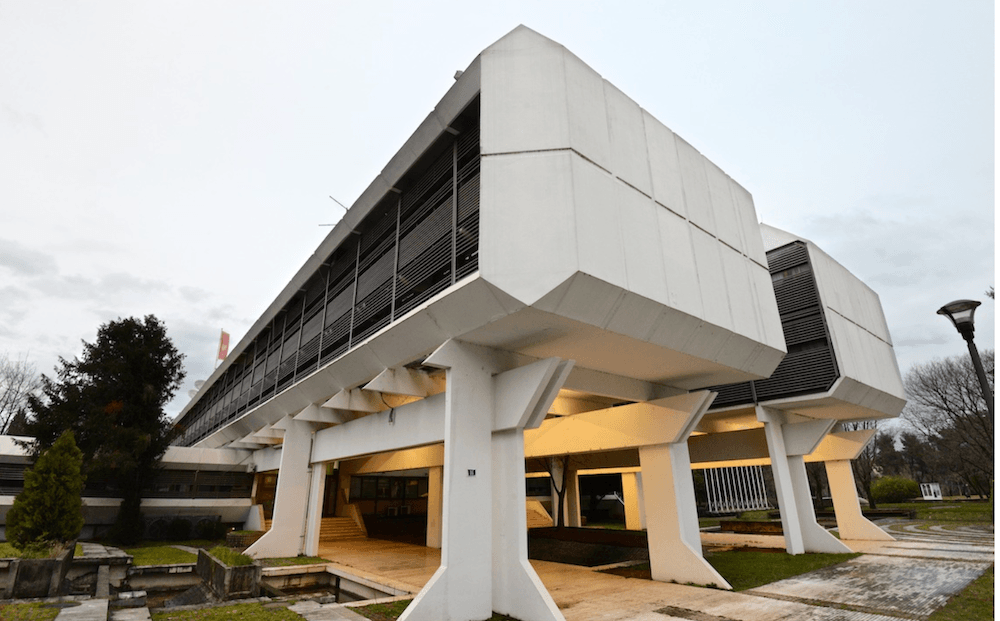
9. Old Government Building, Podgorica (Radosav Zeković, 1979)
Winning design from the 1965 national competition - monumental late modernism defined by disciplined geometry, clarity, and civic gravitas.
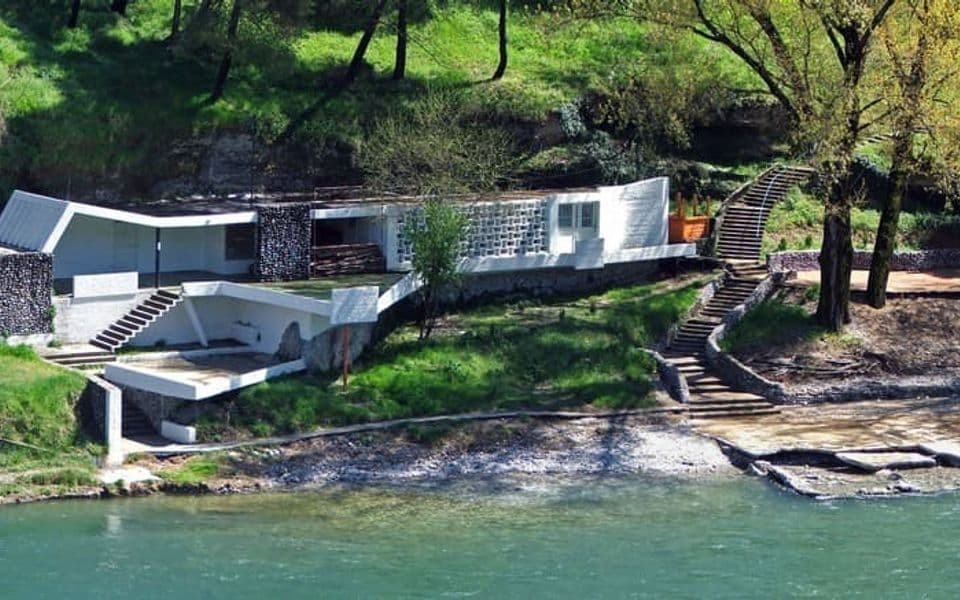
10. Labud Plaža Building, Podgorica (Tupa Vukotić, 1970s)
A small but masterful riverside pavilion that seems to grow from the banks of the Morača, shaped by the terrain's natural rhythm. Its floating concrete terraces and wing-like brise-soleils make it a poetic example of Yugoslav modernism in perfect harmony with the landscape.
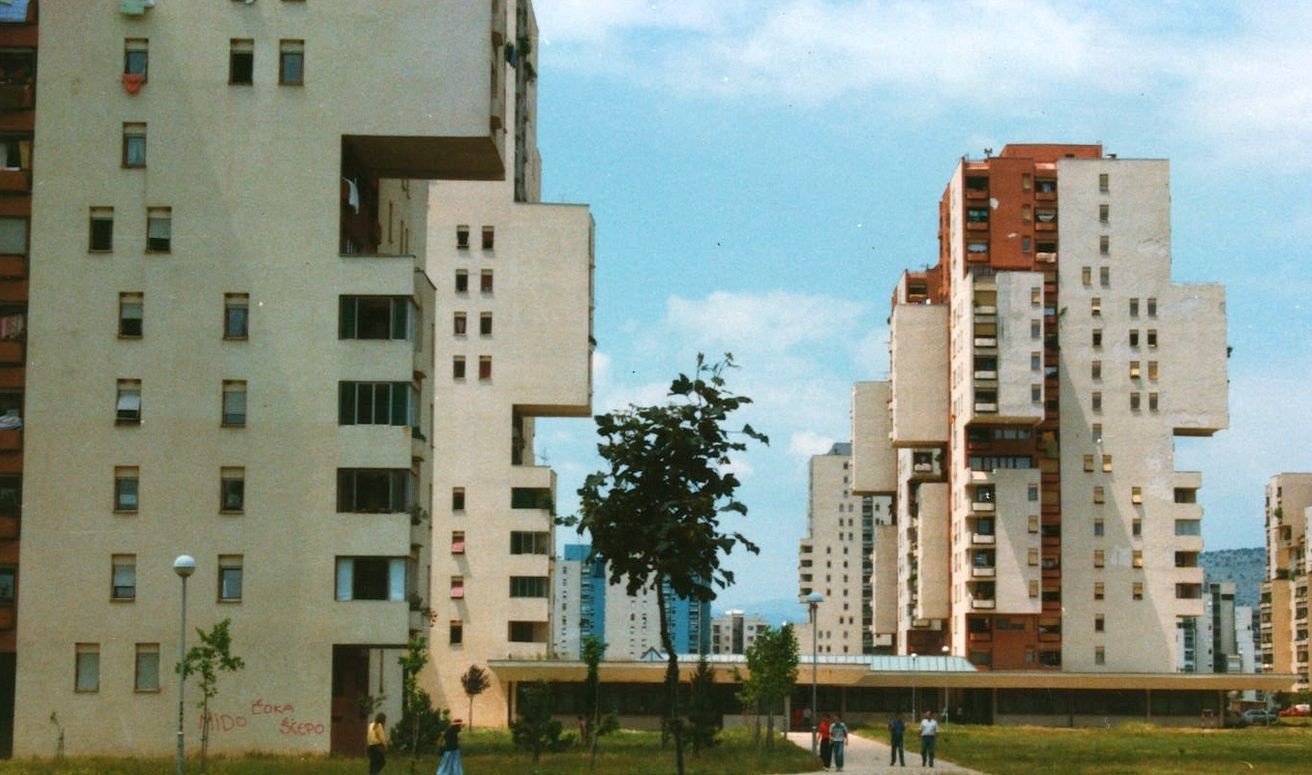
11. Blok 5 Housing Complex, Podgorica (Mileta Bojović, 1977–84)
Yugoslav housing at its most intelligent - modular logic, green courtyards, and human-scale urbanism.
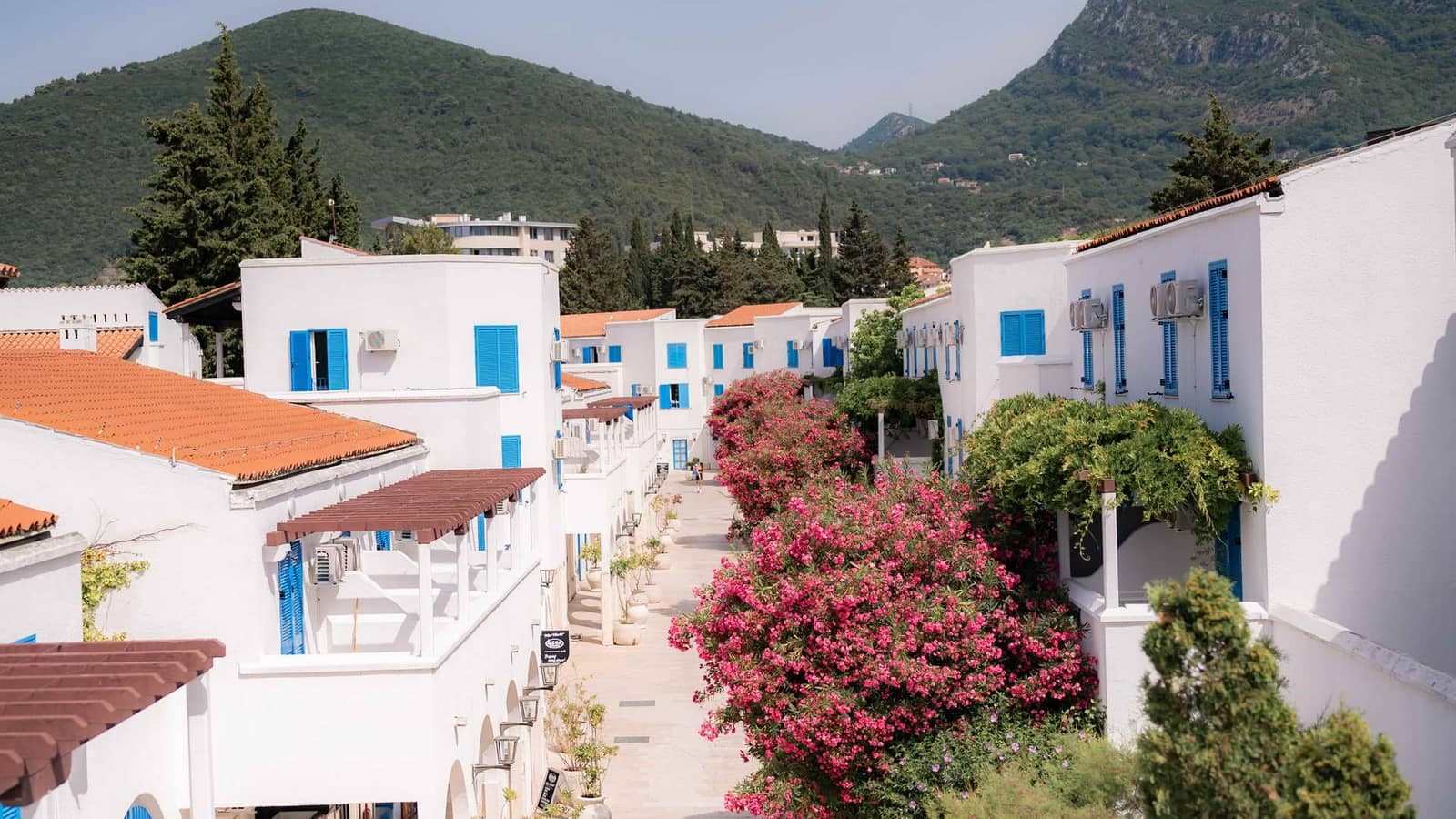
12. Slovenska Plaža Complex, Budva (1980s)
Vernacular reinterpretation of a coastal town - pedestrian, layered, and humane in scale; a study in Mediterranean density.
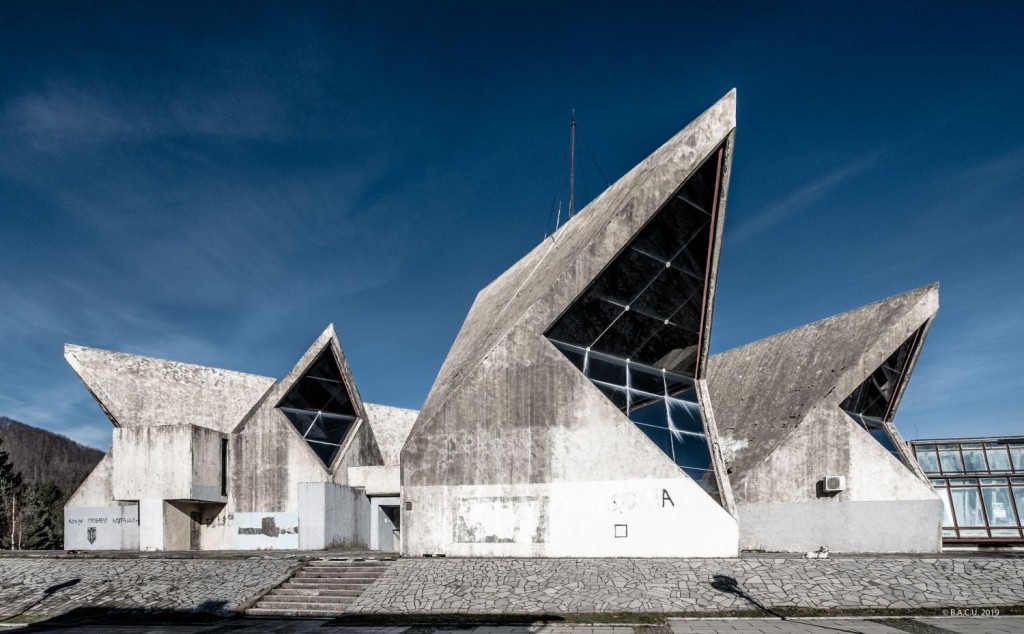
13. Spomen Dom, Kolašin (1970s)
Civic brutalism in a mountain setting, concrete softened by daylight and proportion; social space as monument. Recognized by the World Monuments Fund as one of the 30 most remarkable architectural achievements in the world, it remains a proud symbol of Montenegro's modernist heritage.
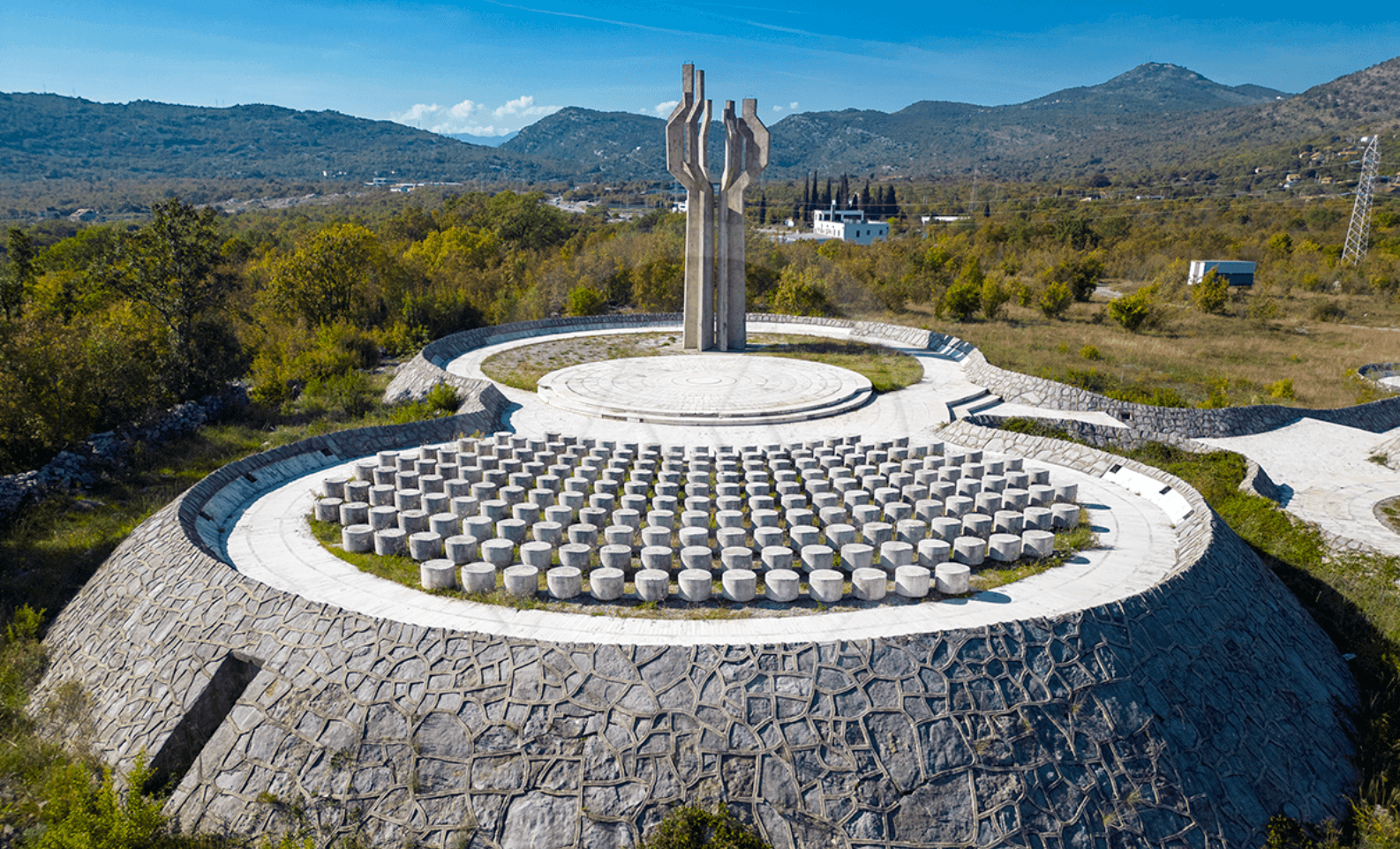
14. Spomenik Barutana, Podgorica (Svetlana Kana Radević, 1980)
Monument and landscape fused in poetic concrete; a meditation on form, shadow, and memory.
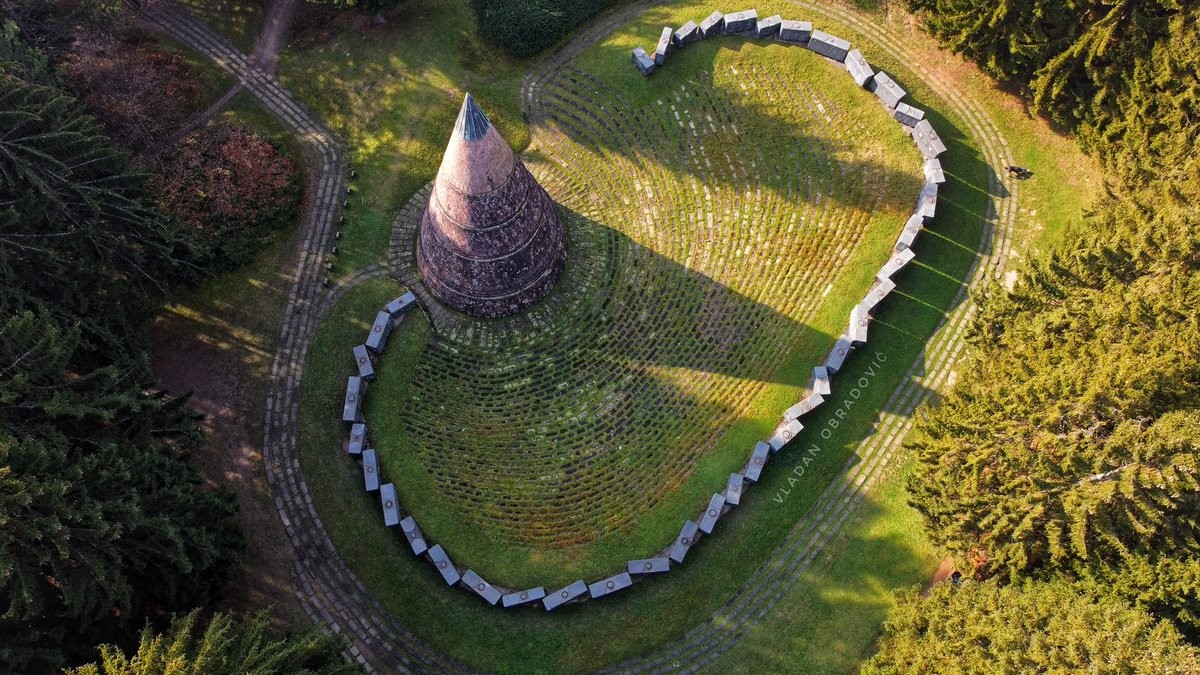
15. Spomenik Jasikovac, Berane (1975)
Abstract land art that merges geometry with terrain - emotional and timeless in its silence and scale.
V. Contemporary Reinterpretations of Identity
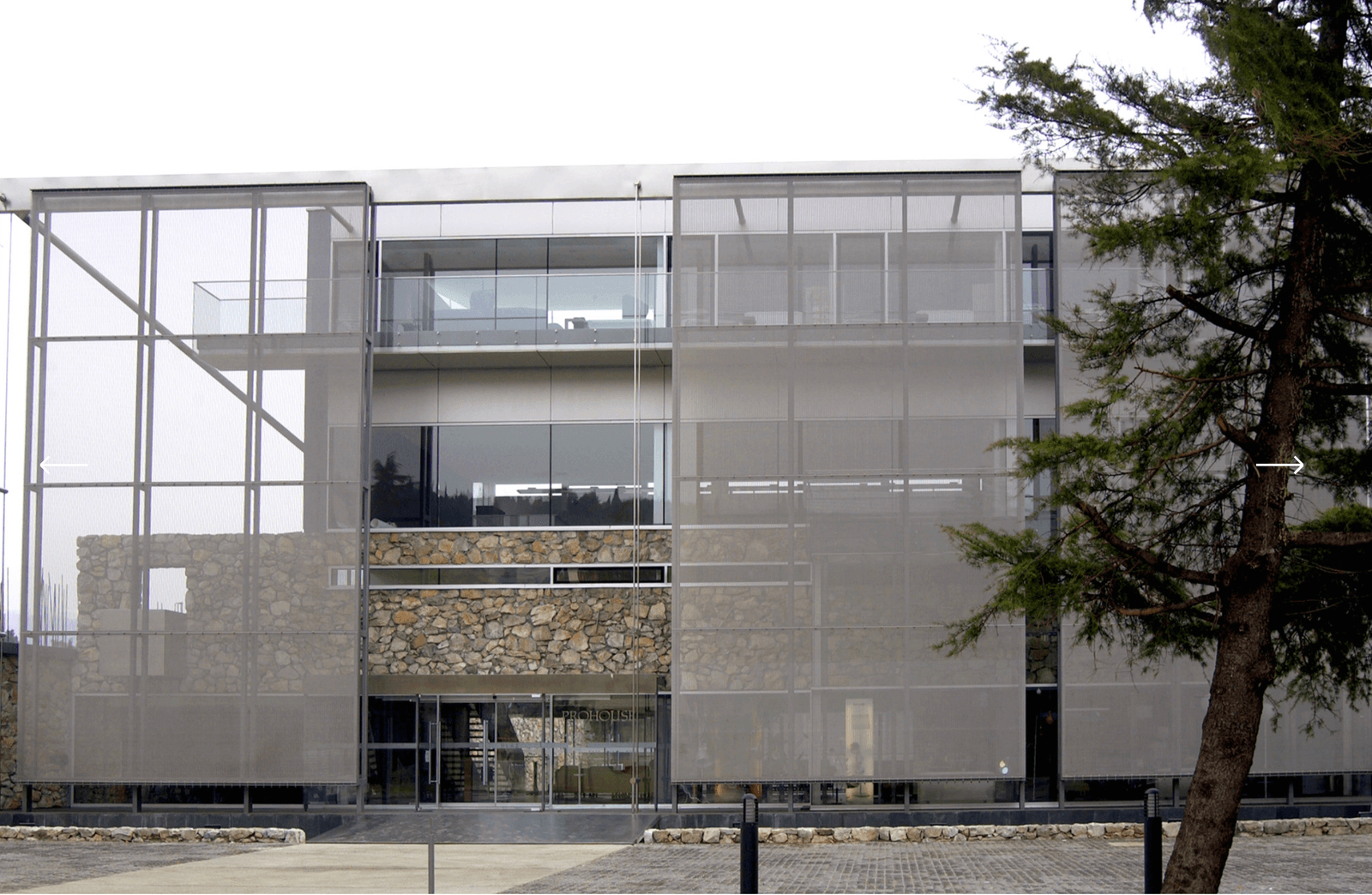
16. Prohouse, Podgorica (ARCVS, 2004)
A crisp blend of raw stone, glass, and a perforated metal façade, Prohouse creates a layered architectural expression where transparency, shadow, and material contrast define the building's identity. The mesh screens give it a light, almost atmospheric presence, softening the modern volume and allowing the structure to shift visually with daylight.
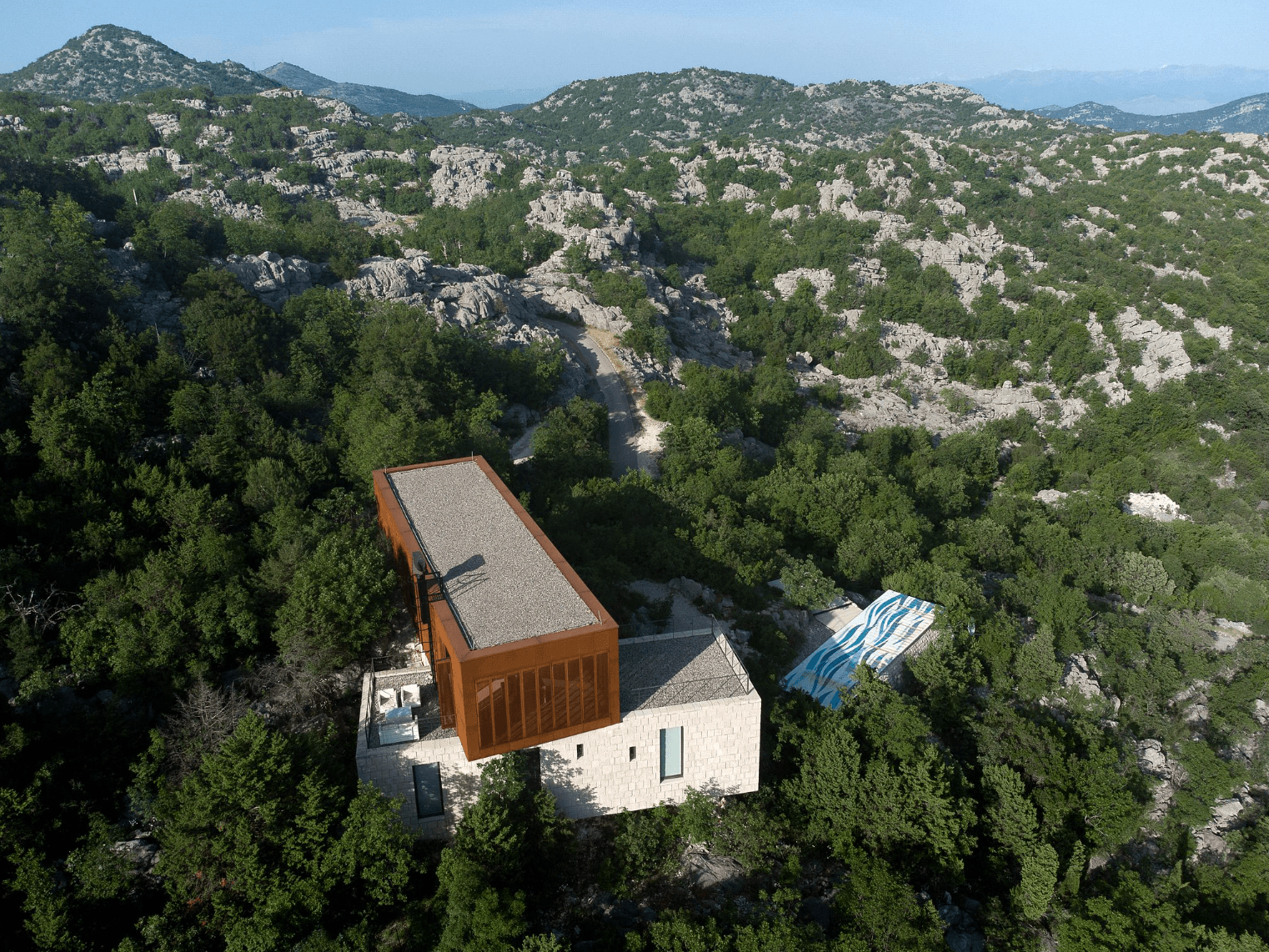
17. Villa La Tout (BusinessArt & Andu Arch, 2013)
Set between the hills with sweeping views of the lake, this residence is composed of two clear volumes: a grounded stone base and a corten-steel upper block that blends seamlessly with the landscape. The carefully designed terrain and pool subtly protect and elevate the natural beauty of the site.
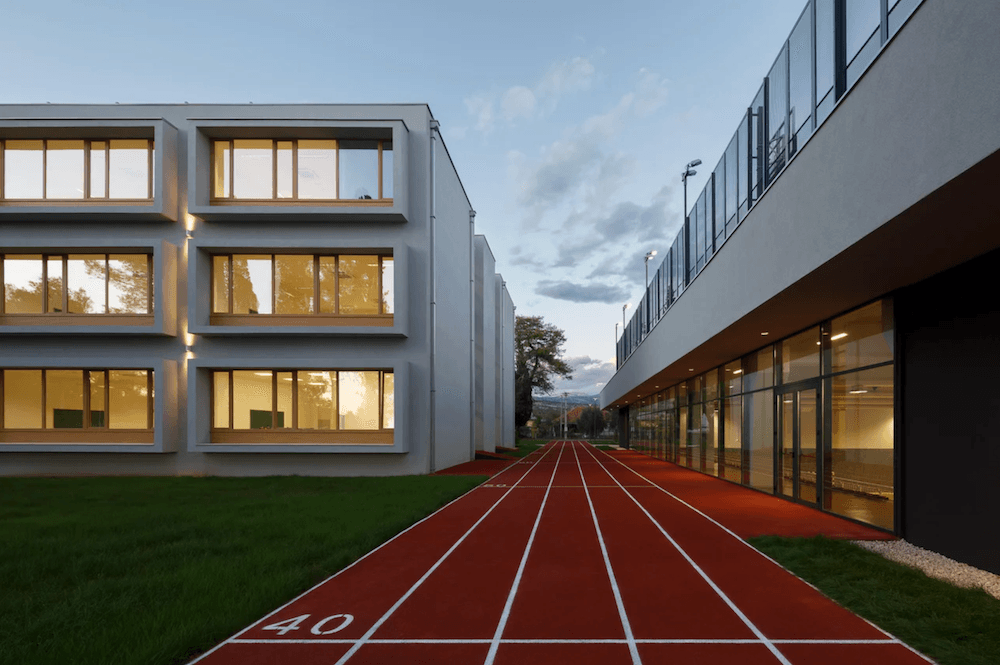
18. Primary school "Novka Ubović", Podgorica (Ivan Jovićević, Dušan Đurović, 2020)
A bright, contemporary school organized around open courtyards and generous daylight, it creates an inviting learning environment rooted in clarity and human scale. Its clean geometry and thoughtful spatial flow make it one of Montenegro's most successful examples of modern educational architecture.
From monasteries built into cliffs to Venetian stone towns, from modest royal buildings to the bold forms of Yugoslav modernism, Montenegro's architecture tells a much richer story than its size suggests. Each period left something valuable behind - a way of building that responds to the land, uses light well, and keeps proportions balanced.
What we see today is not a collection of isolated landmarks, but a continuous conversation across centuries. Contemporary architects are simply adding the next chapter with calmer materials and cleaner lines. These eighteen works remind us that Montenegro's architectural identity isn't loud or grandiose; it's honest, grounded, and deeply connected to the landscapes and people that shaped it.